Principles of Art History the Problem of the Development of Style in Later Art
How to find your fine art style
If y'all were asked to brand a listing of your favourite artists, chances are you'd be able to explain the modest quirks or creative decisions they've made that made an impact on y'all. Y'all might have even tried to recreate these styles in your own pieces.
But is honing a way – either someone else'southward or your own – an achievable goal? Or is it counter-intuitive to your evolution equally an creative person? The answers depend on how you lot want to work, and to figure everything out y'all need to listen to your instincts. This article explores how different artists accept developed a 'expect'.
For more advice on honing your art, explore our guide to mastering dissimilar art techniques, and our roundup of tutorials exploring how to depict simply almost anything.
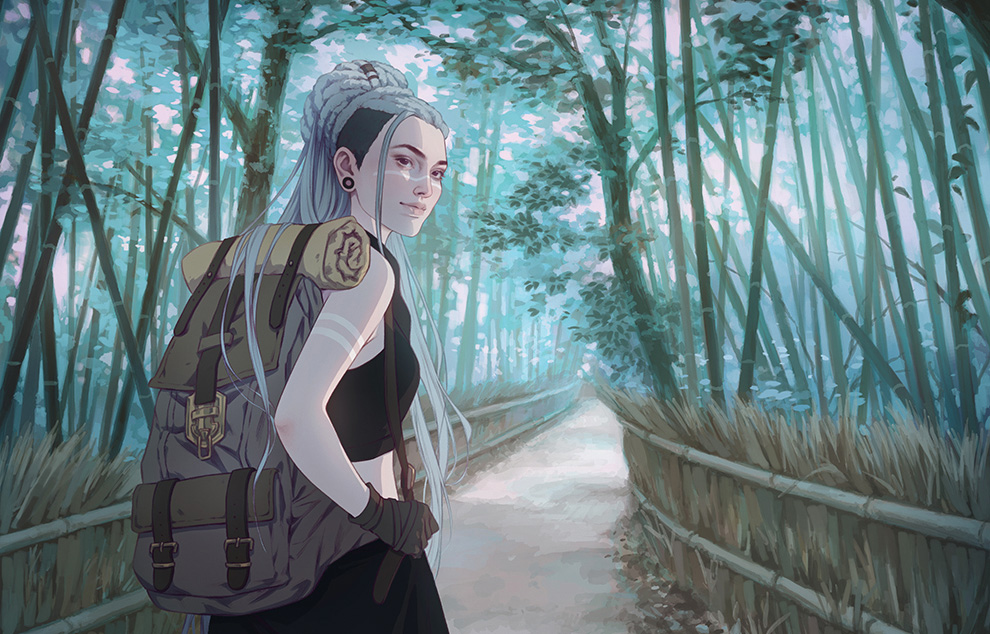
Various factors contribute to the development of a mode. For fantasy illustrator Djamila Knopf, it can all exist traced dorsum to watching Sailor Moon for the get-go time. "The infinitesimal that intro came on I was completely mesmerised," she explains. "To my five twelvemonth-old self, the colours, the mode, the story, the transformation scenes – it was all perfect. From then on, I drew Sailor Moon fan art non-stop and tried to emulate the style."
Today Knopf describes her work as evoking a "sense of wonder and nostalgia", which sounds like a fitting way of carrying frontward her formative anime experience. "I use colours that are far from realistic and so they create a more than dream-similar, alternating reality."
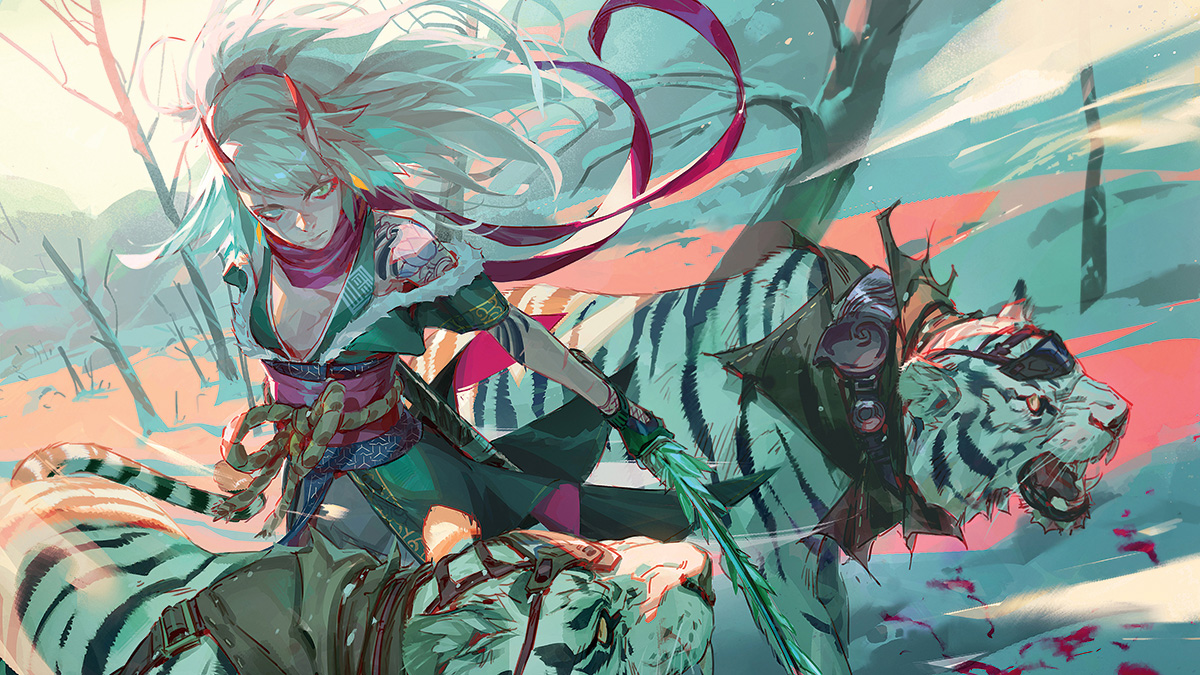
Freelance illustrator Toni Infante had a similar experience upon discovering manga. "Dragon Brawl was probably the first one I came across," he says. "Seeing those powerful characters with weird hair actually left an impression on me. I call up it's still piece of cake to see the influence of Dragon Ball writer and illustrator Akira Toriyama on my style, which includes enough of dynamic shapes and angles."
Career options
So honouring your influences tin can pb to your manner, only tin can your style lead to piece of work? According to Knopf, a signature way can both open and close doors to potential projects. "If you're someone who enjoys existence a chameleon, all power to you! Information technology can actually exist corking when y'all're working on different productions that require yous to switch styles," she says.
"But having a style that people recognise has its advantages, likewise. Because you're existence hired for bringing your unique voice to a project. For me, the signature fashion has been my fashion to go. It makes me and then happy when people tell me that they saw an illustration of mine and recognised the style. When I was trying to work similar a Magic: The Gathering creative person, I never received comments like that because all I did was effort to mimic other people's styles."
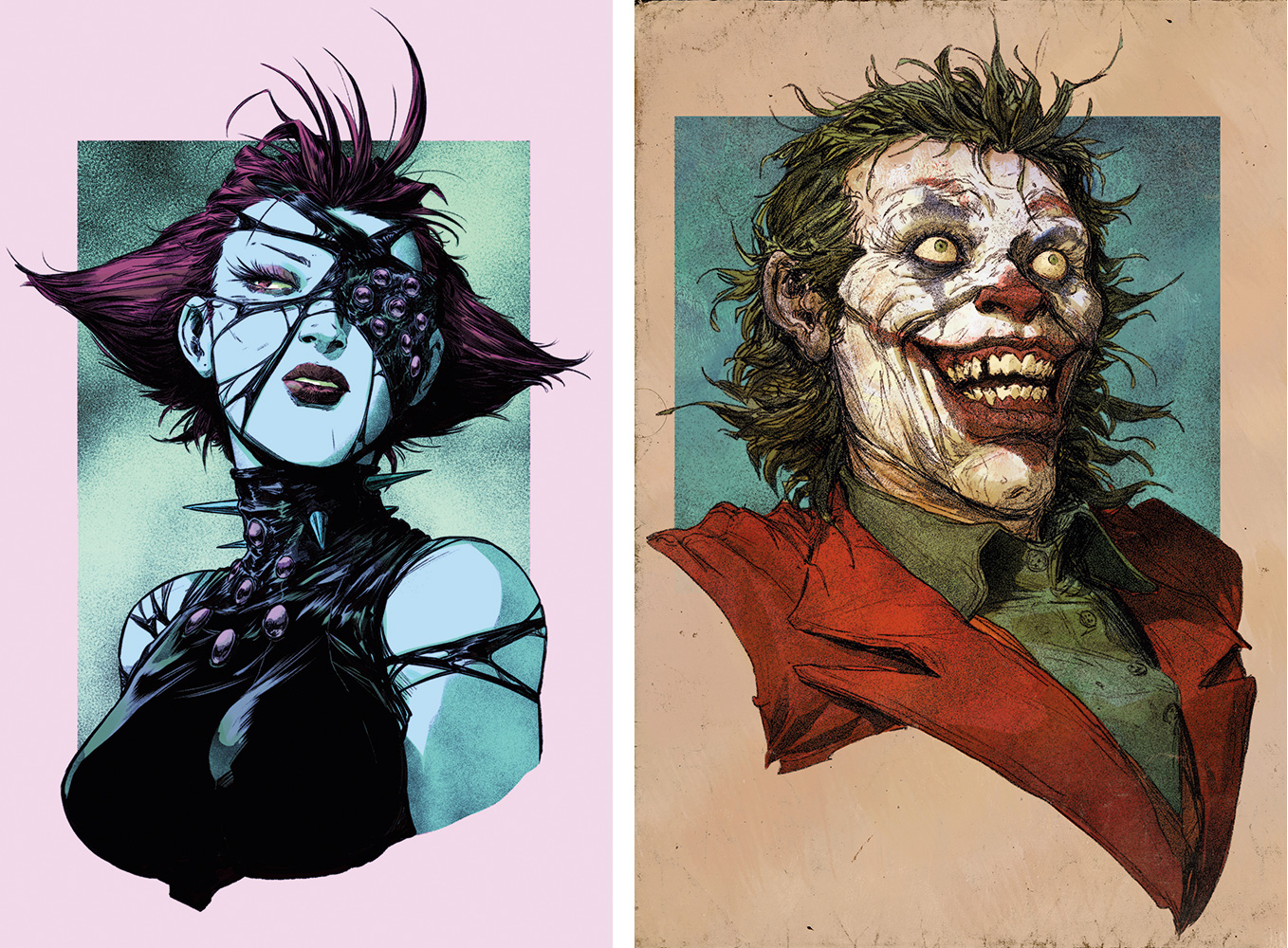
For illustrator, concept and comic creative person Dave Rapoza, it's best not to overthink your approach and your position in the industry when it comes to fashion. "Yous'll always be looking to see what everyone else is doing to stand out and end upward comparing your work to theirs, which tin be very unhealthy for your evolution," he says.
"When yous're happy doing what you do, people can definitely tell. And if your manner is likewise all your own through a melting pot of all your influences so you'll get work. Don't worry well-nigh trying to fit in – in that location'southward e'er someone out there like you in all industries."
Dealing with criticism
Following your inspirations can issue in a conflict of artistic likewise as professional interests. Some styles come up under burn down from other creators, which in Knopf'southward case left her feeling frustrated and insecure about her abilities. "As long as I tin can remember, everyone has tried to beat my anime influence out of me," she reveals. "I kept trying different styles that I thought were expected of me and that were properly 'artistic', but I never settled on anything."
After exploring different styles away from the glare of her teachers for a few years, Knopf decided to switch dorsum to what is now her current fashion. "Ever since then, I've been having so much more than fun with my work."
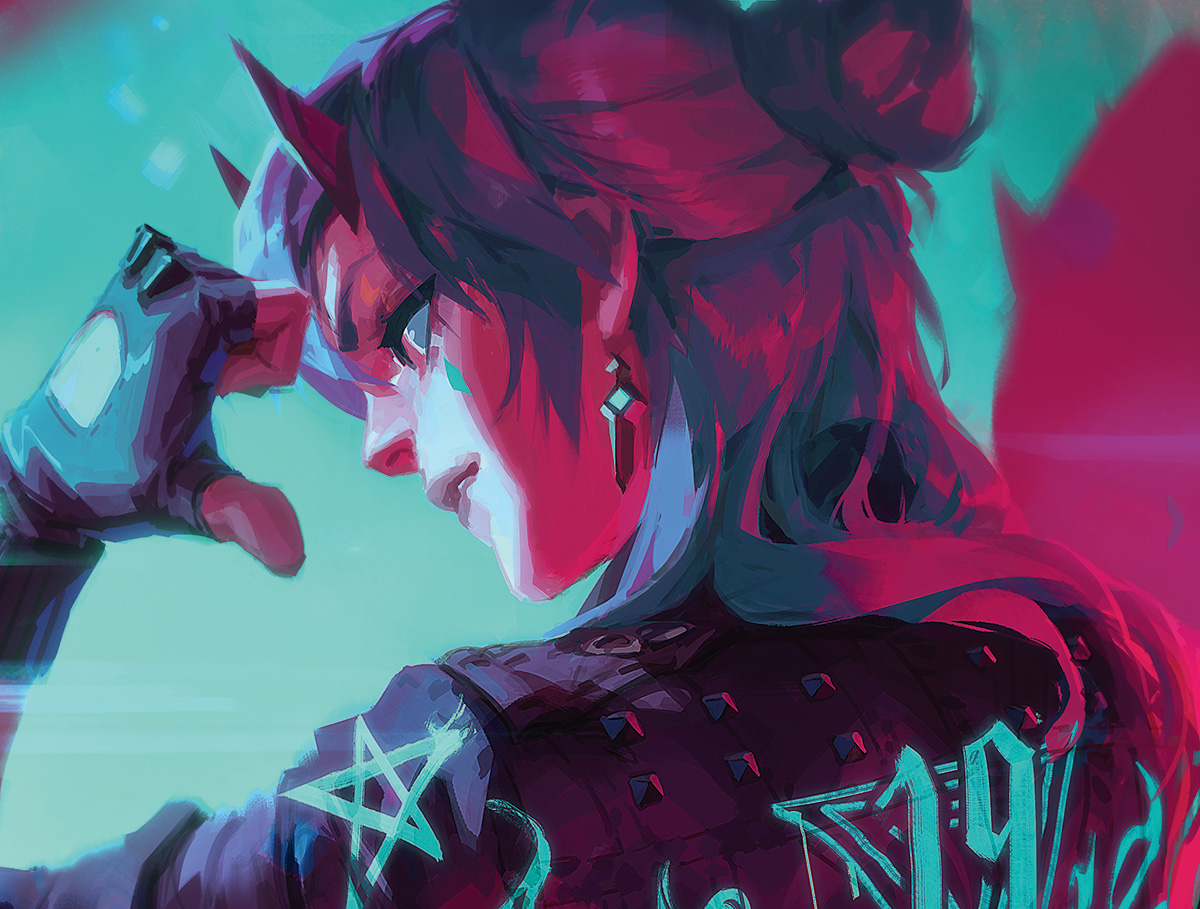
Anime and manga in particular seem to be susceptible styles. Given that the world is more connected than ever, Infante isn't surprised that they are pop styles, although that doesn't mean creators can rely on them entirely. "I recollect that if someone imitates a particular manner or artist without adding in anything, they're non being honest with themselves," he says. "Information technology'southward from the mix of influences that artistic things happens."
"Manga is an art way that simply comes nether criticism in a narrow field in this manufacture," Rapoza adds. "If you enjoy doing a manga style and information technology makes you excited to sit downwards every day and depict, then you lot must follow your instincts."
Finding your voice
Knowing yourself and what excites you sounds like straightforward advice, only sometimes even the nigh assured artists could do with a reminder to proceed them on track. "An important matter I've learnt is that manner is not just how you draw but what y'all draw," says Knopf. "Often, all information technology takes is for you lot to open up your sketchbook and expect at what yous're doing when nobody gives you any instructions – the things you depict just for yourself.
"If you're completely lost, creating an influence map could also be a useful exercise," she adds. "Think about the artists or IPs that resonate with y'all, put them on a filigree and analyse each one. What do you lot similar about it? How could you contain that aspect into your ain work?"
Rapoza takes a less methodical approach. "I don't think y'all tin can truly observe your vocalism without failing over and over and never settling for comfort," he says. "Don't limit yourself by being agape to bear witness the weakness of what you practise. Address it and put information technology out there on the forefront. Show people what it takes to achieve your best version of yous every bit an artist."
This article was originally published in ImagineFX , the world's acknowledged mag for digital artists. Subscribe hither .
Read more:
- 15 tips for better creature pattern
- How to create powerful artistic compositions
- 27 top character pattern tips
Related articles
Source: https://www.creativebloq.com/advice/how-to-find-your-art-style
0 Response to "Principles of Art History the Problem of the Development of Style in Later Art"
Post a Comment